Life on Takarajima
I've spent a little over half a year on this little big rock in the sea, and life is good.
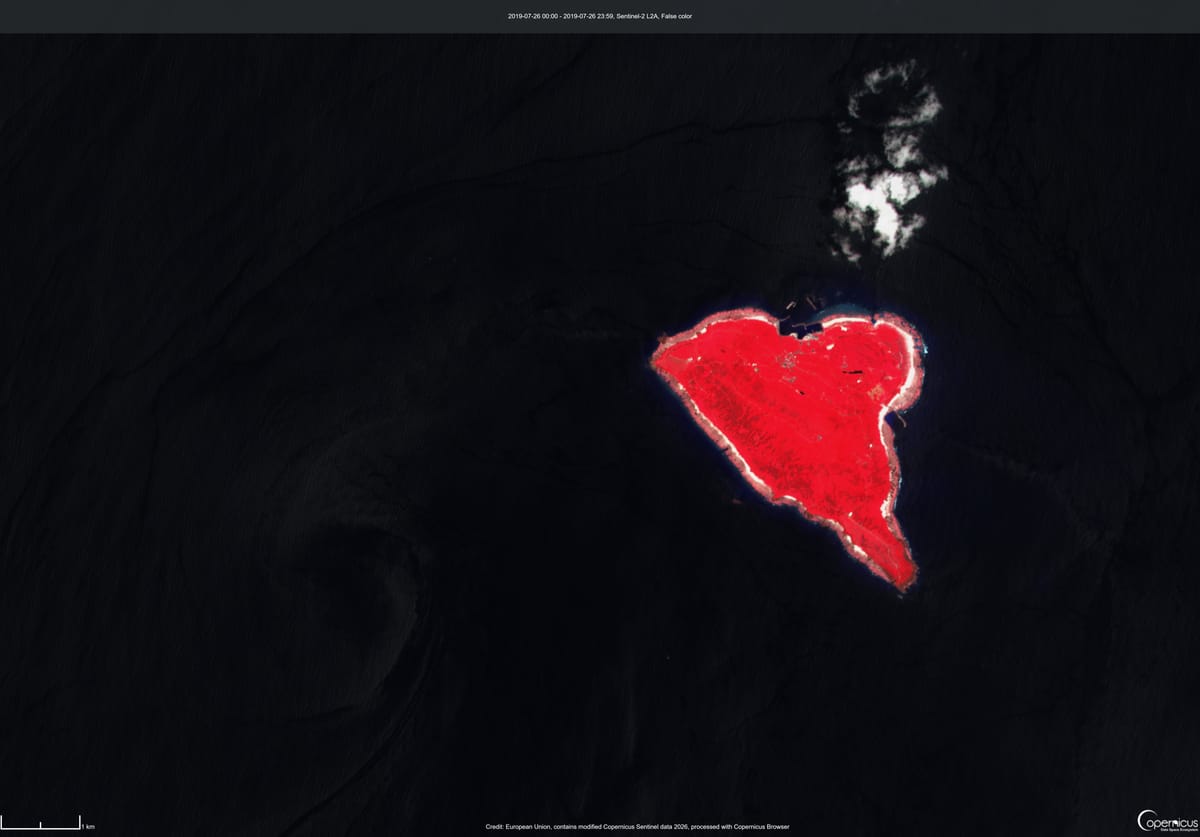
Things on a small island in the middle of the Pacific are pretty good. There might not be much in the ways of large industry, commerce, or manufacturing, but it leaves more room for the people. There is space to think and time to breathe. Being an islander is a luxurious indulgence.
Contents:
Spirituality
There is a prevailing spirituality on this island. It is said, by some islanders, that the Kami on the island are so great that they cannot be allowed to gather speed and power while running down the streets; most intersections are built to be 3-way such that the Kami crash into the perpendicular streets and their power is dissipated. Look at a map and you will find but a lone 4-way intersection on the entire island. An interesting rationale for an organic street plan.
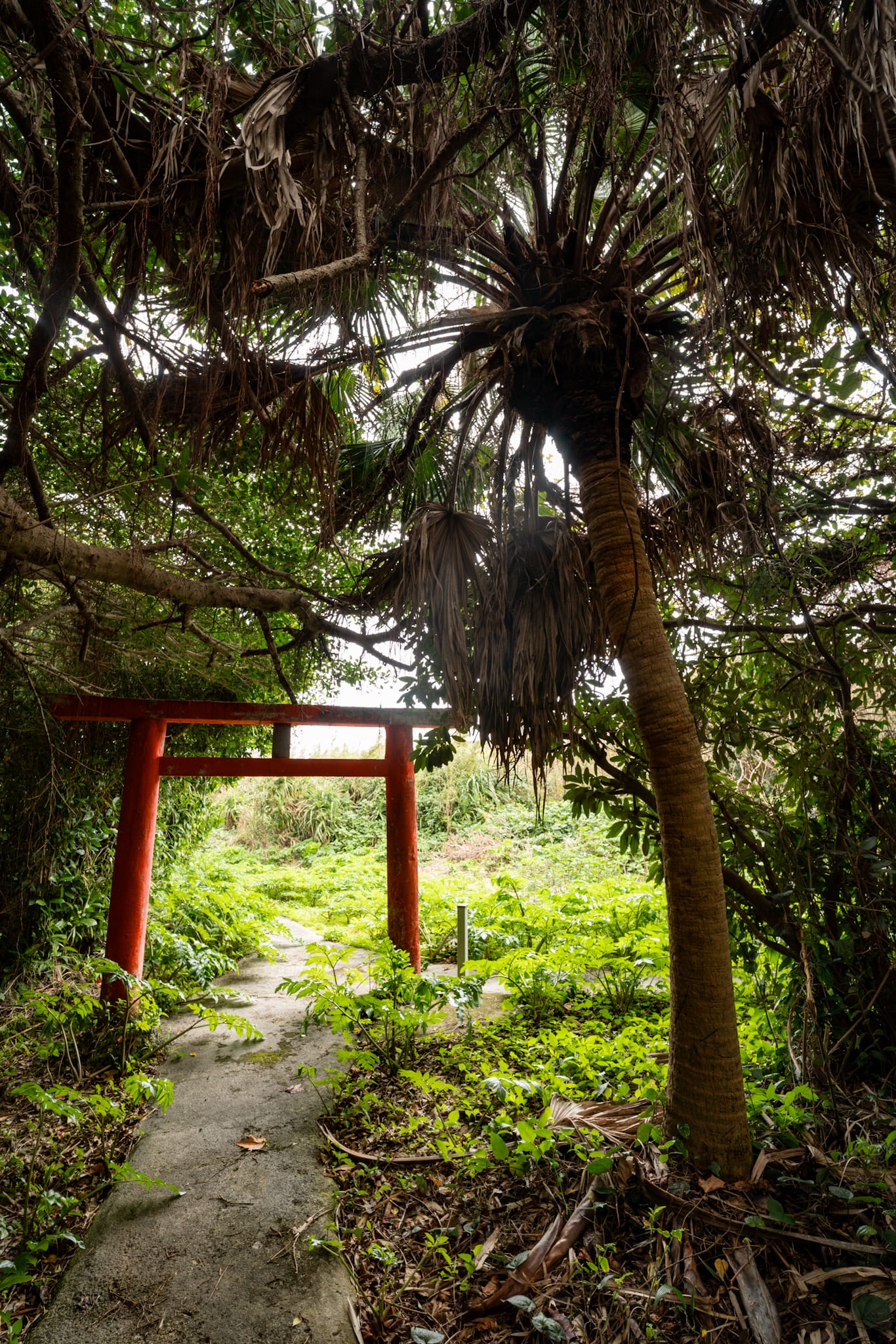
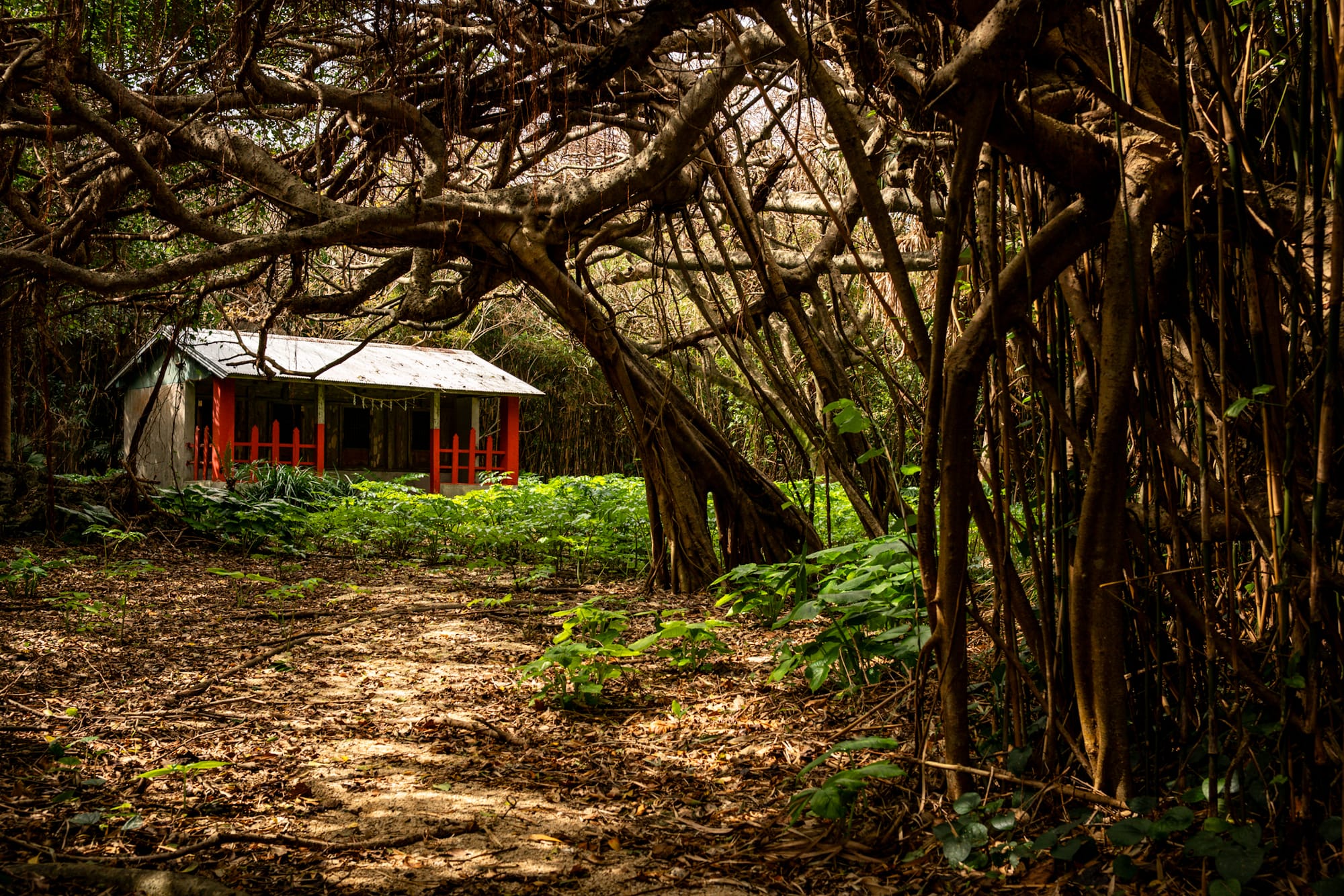
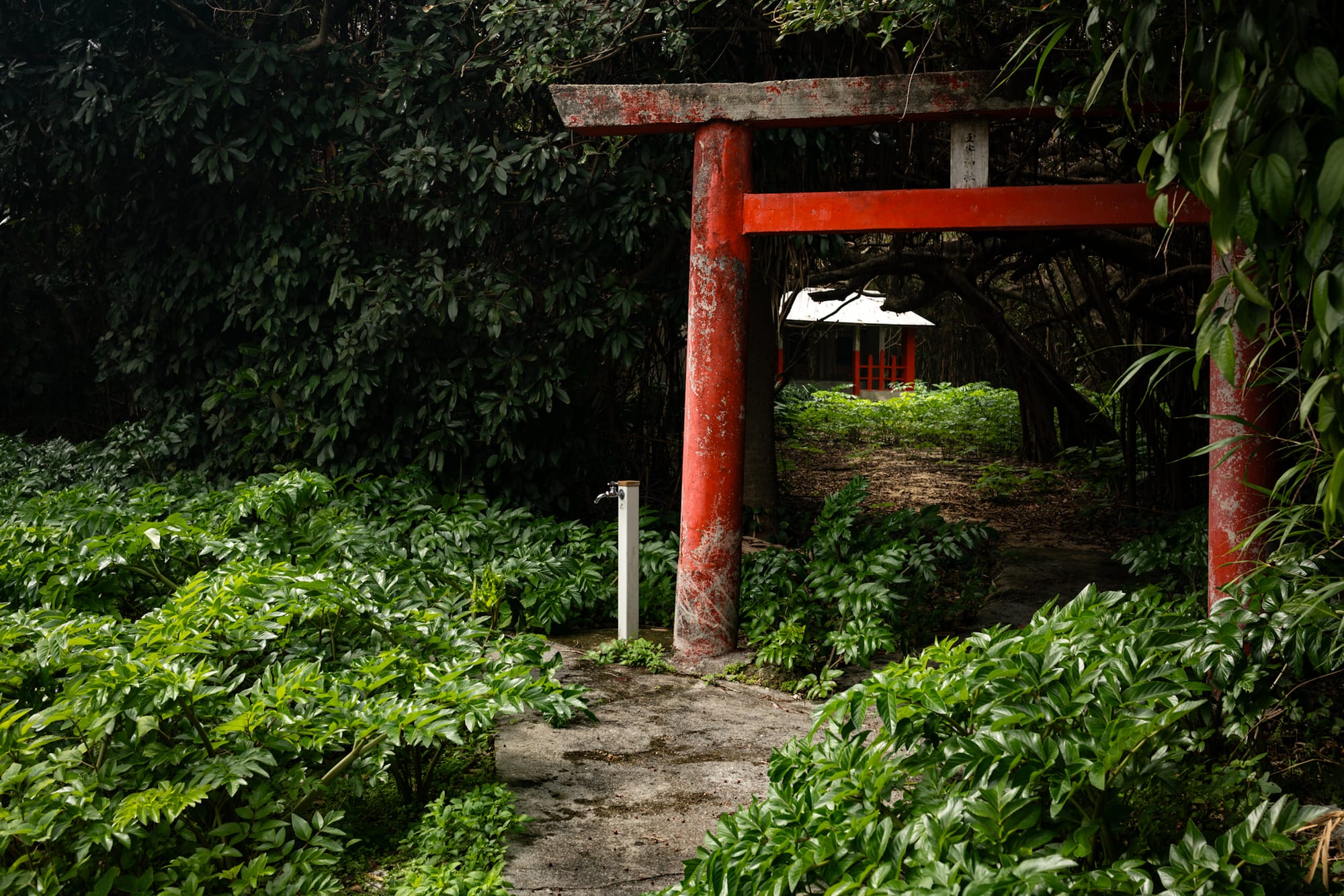
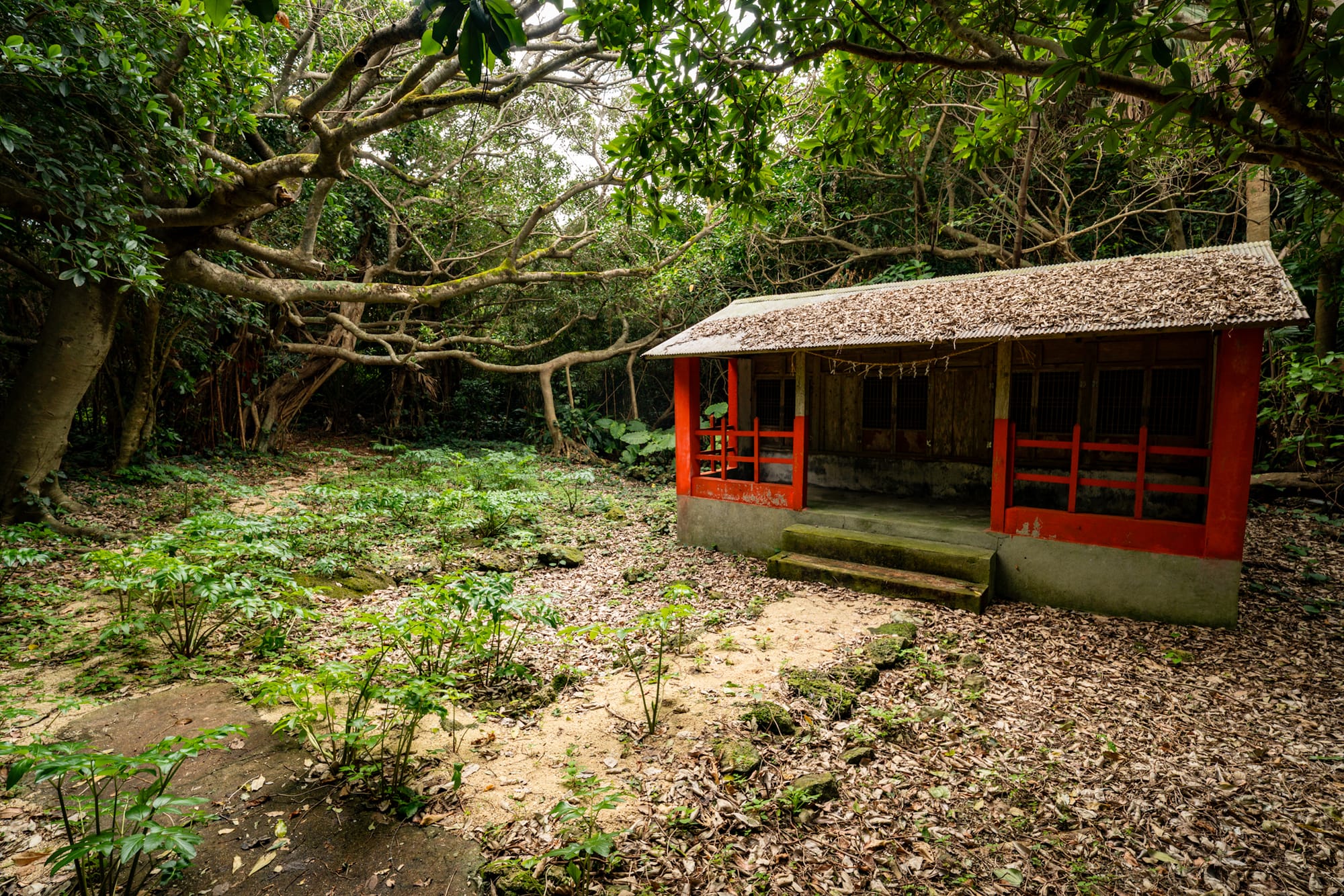
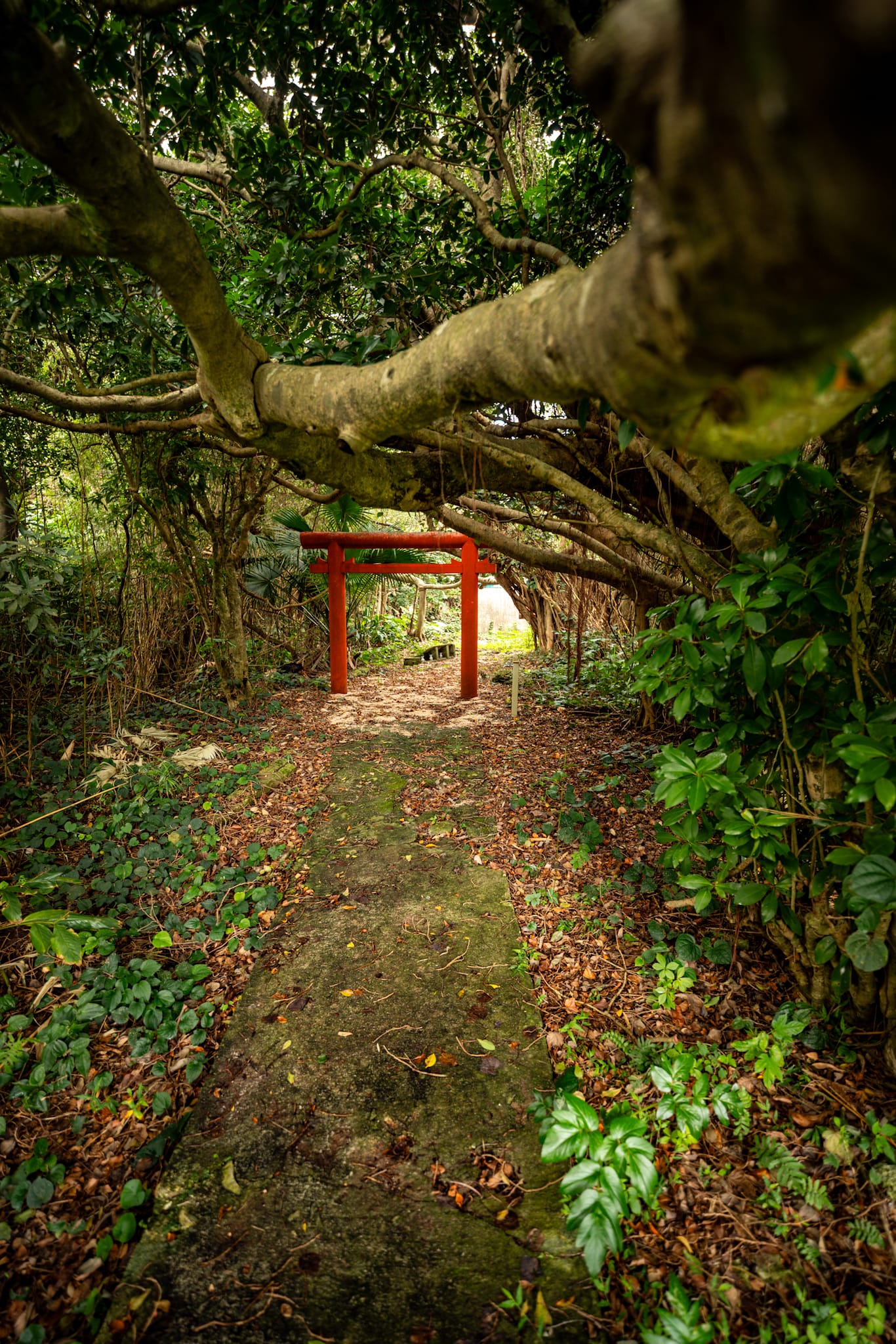
Among the various shrines and holy spaces on the island, a primeval power permeates the marks of man. A banyan tree, a rainforest, a cave, a mountain; held sacred in the hearts of locals. You can feel a certain respect is paid to the natural world here that, elsewhere, is often lacking.
I have spent many a night, after a cleanse in the public hot spring or cooling down from a volleyball game, wandering through the night. The island can get truly dark. So far from cities, our outpost on the waves sees little light pollution; on a cloudy night you may lose sight of everything, not too far from the village.
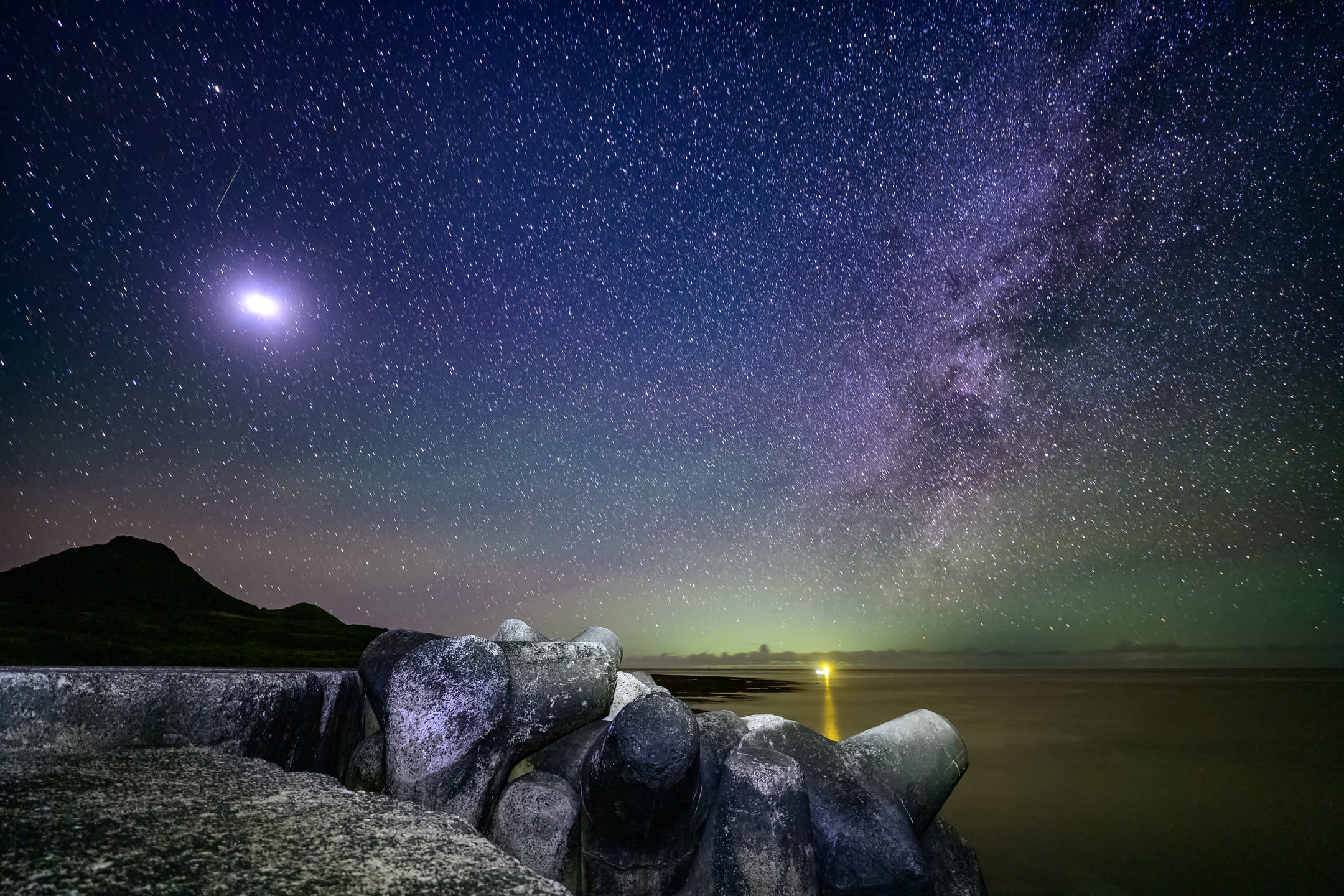

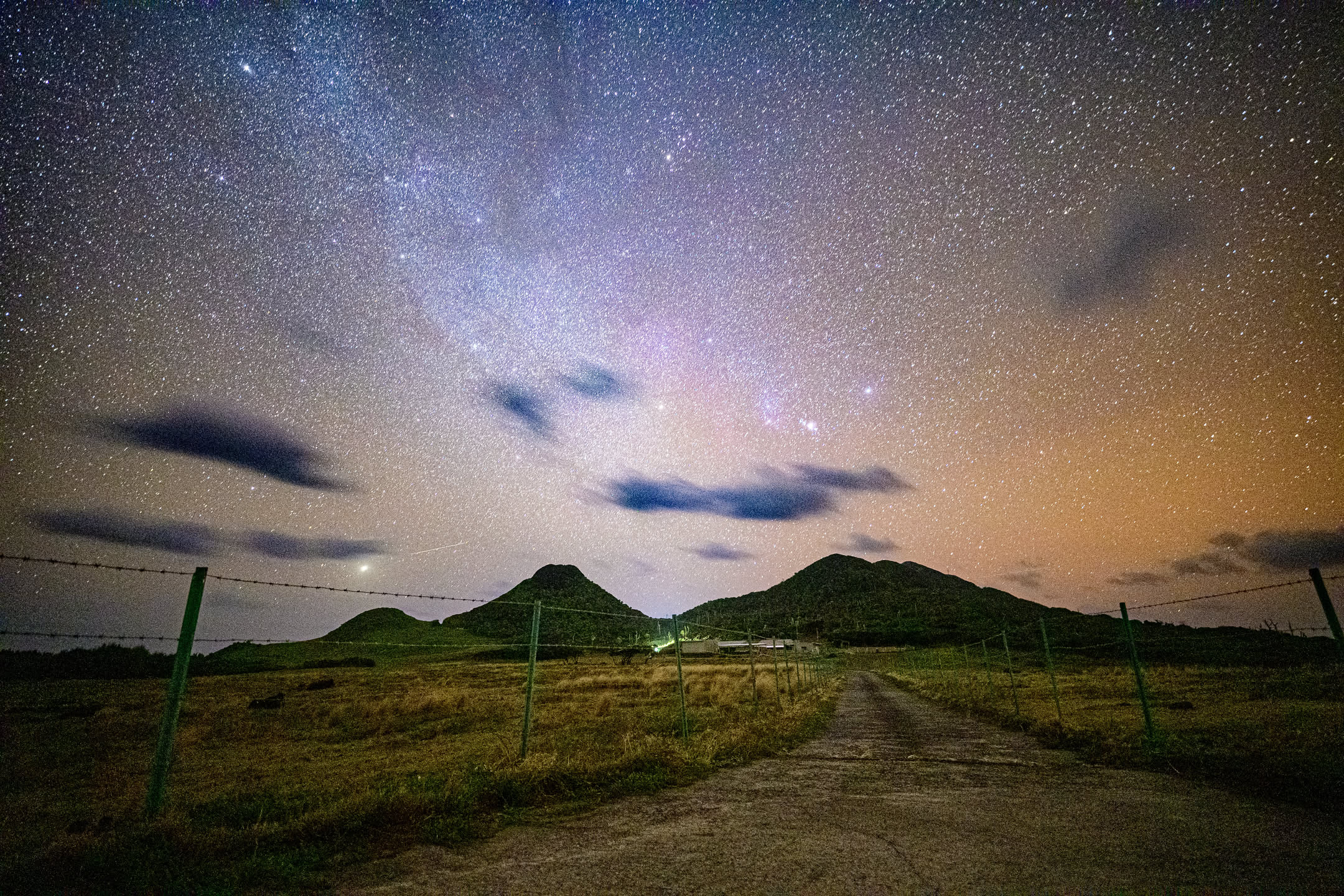
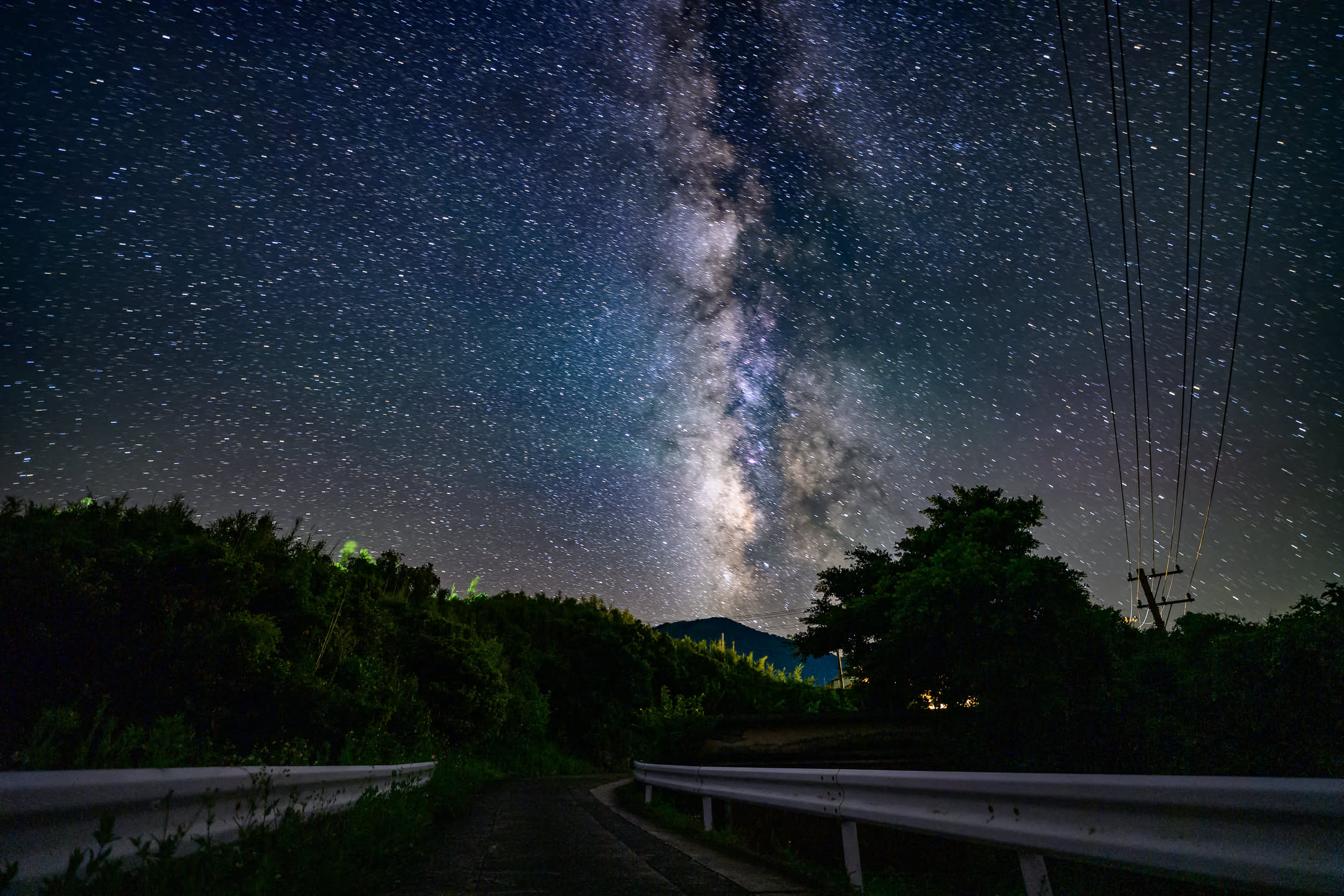
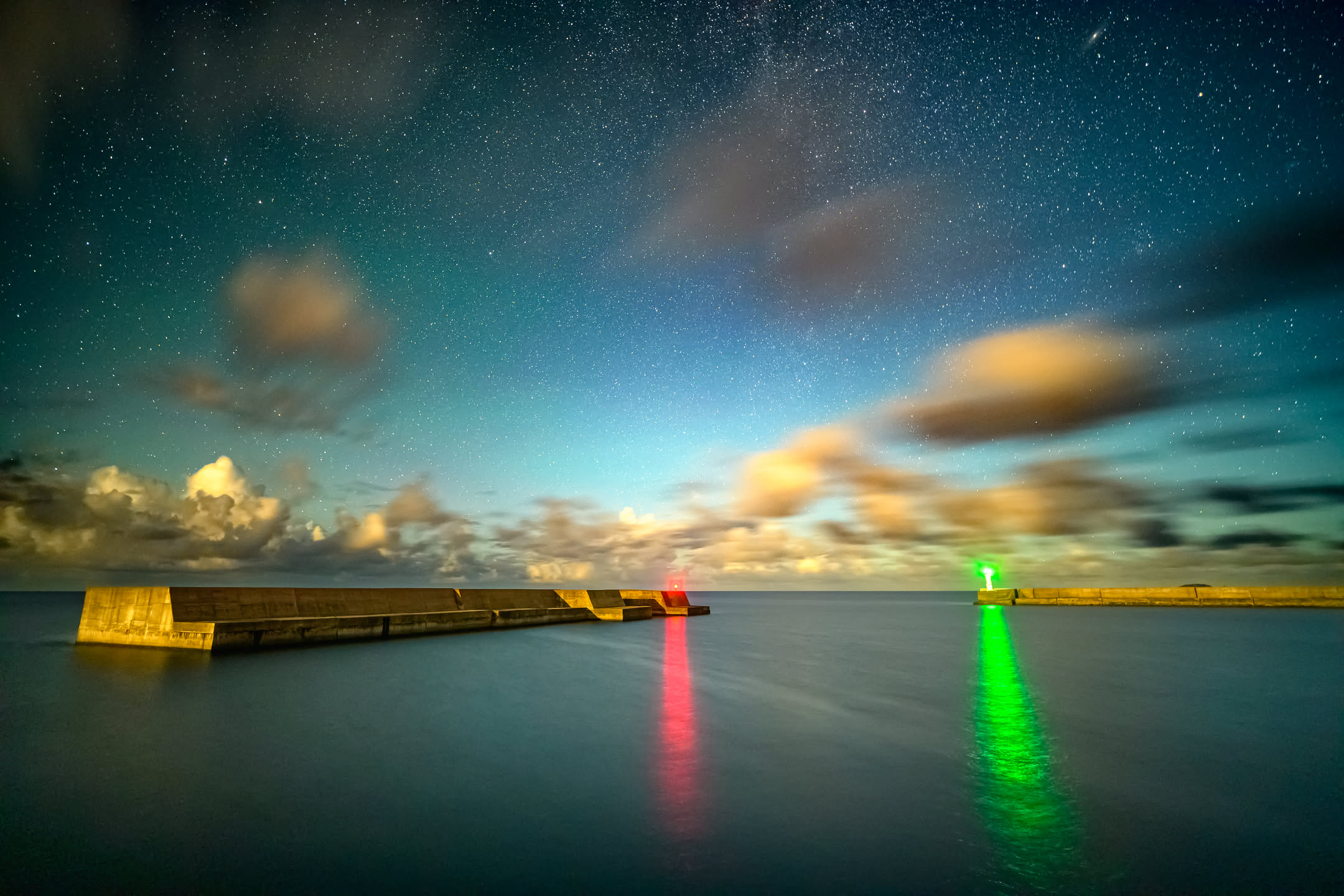

Although, even in this darkness, there is light to be found. Small, transient, blue sparks on the crests of waves lapping over the rocks at the shore. "Sea fireflies," they're called, faint as they are miraculous. And when the cloud cover clears and the heavens are revealed, oh, what a sight to behold: Stars that aren't ours, yet still bright enough to guide me home.
As an outsider, discovering these things has been just one treasure of Takarajima. I count myself fortunate.
School
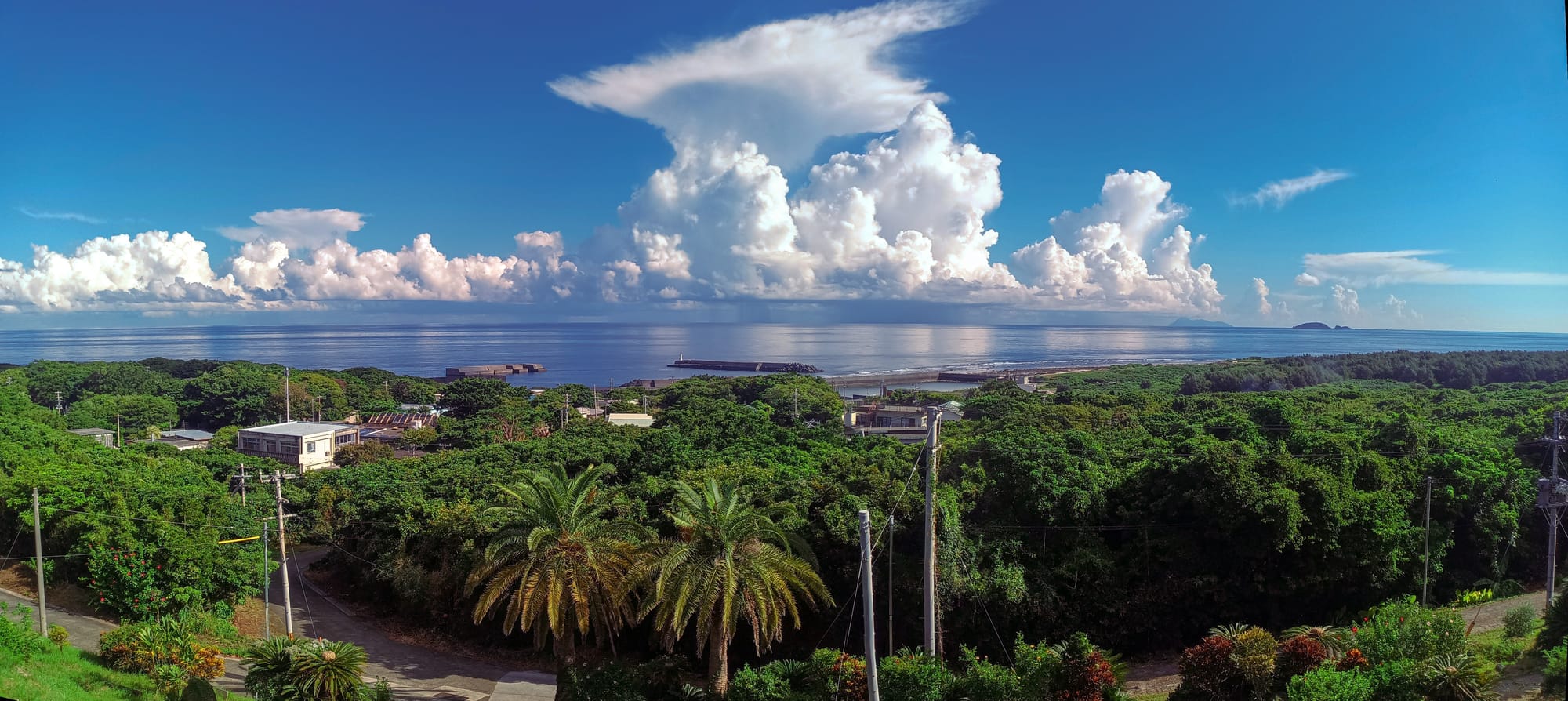
Imagine a classroom high up on a hill, surrounded by subtropical rainforest, overlooking the azure sea with its white cresting waves. This is my school. White cumulus billow up over the distant horizon, their bright reflections stark on the water's surface. Two of the classroom's walls are all but window, waist-level to ceiling.
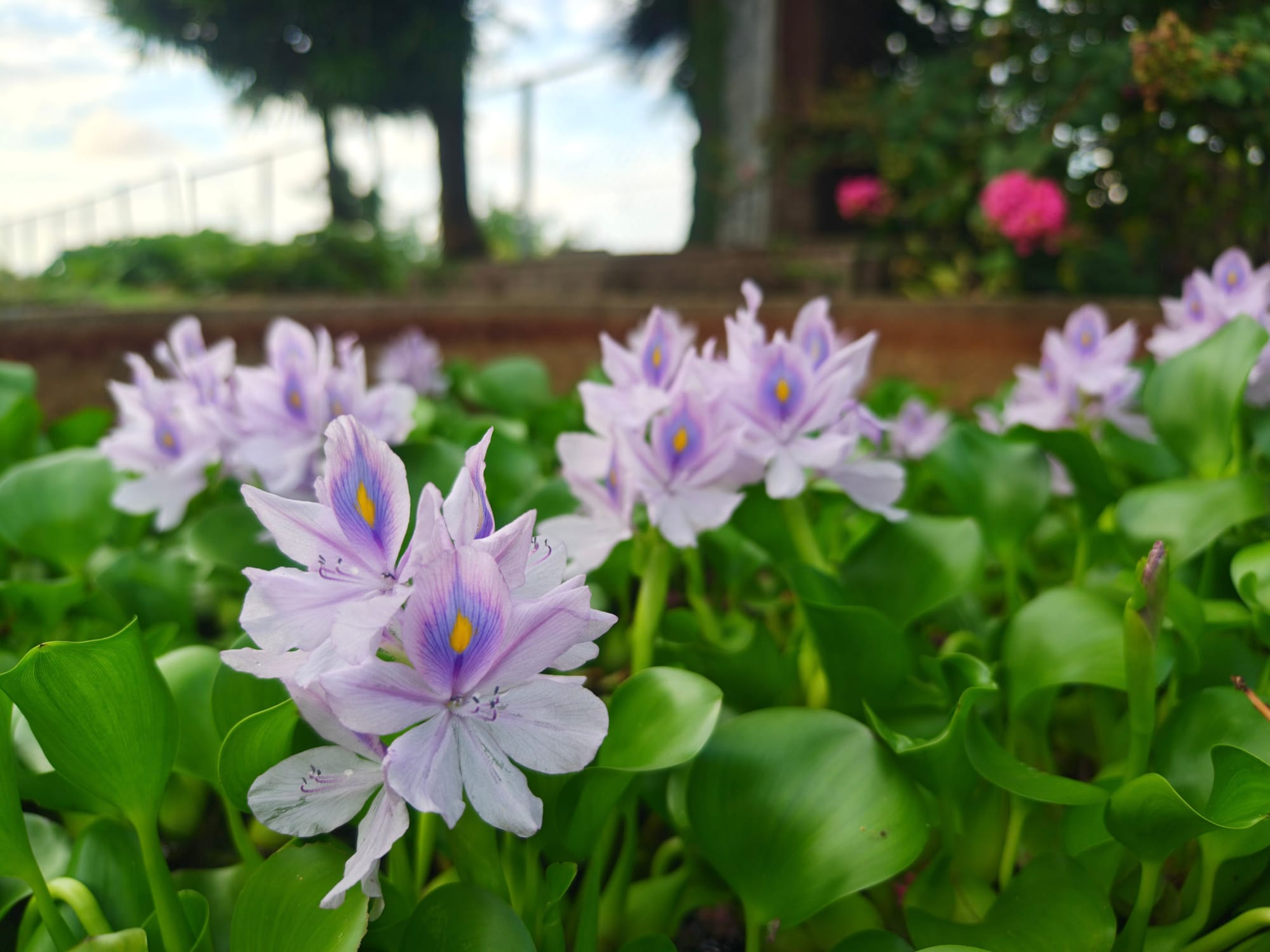
With natural lighting so abundant, the fluorescent lighting is rarely used. In the summer, the drone of the cicadas is faintly audible, beyond the glass to the south, from the hill overlooking the school. The halls may be sweltering but the classroom is held at a soothing 22°C. In the winter, the winds of the gales that blow in from the north are made manifest in the violence visible upon the waves. The storms may be brisk but the classrooms are kept warm at a cozy 22°C.
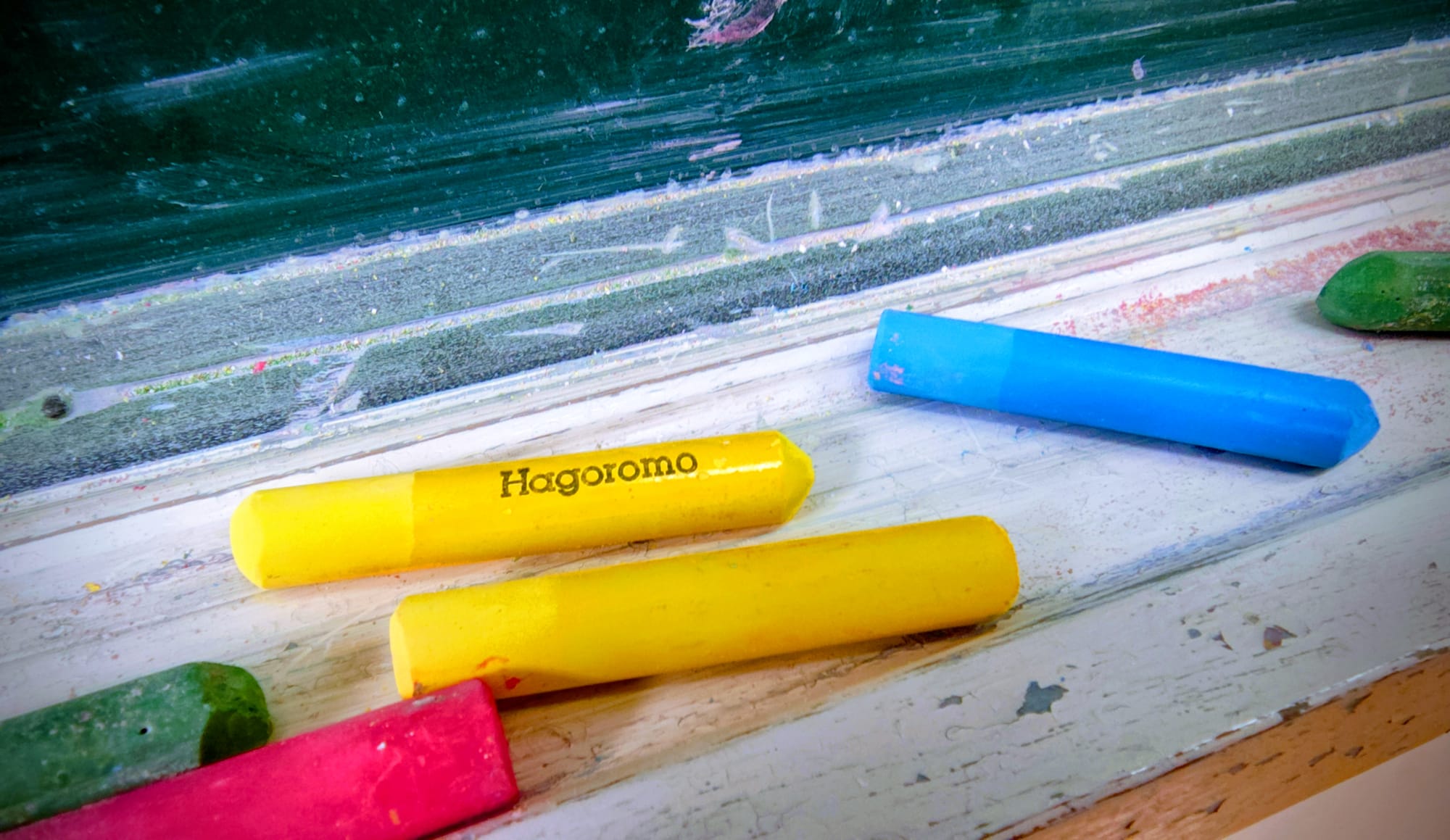
The chalkboards are, of course, the classic green variant; curved ever so slightly, they ease viewing from the center of the room, where students sit. Such a chalkboard consumes nearly an entire wall of each classroom. Best of all, the chalk is provided by the school, and it's all Hagoromo (IYKYK). The corduroy-clad foam chalkboard erasers make for a luxurious erasing experience.
The rowdiest class here is still more respectful than the most mellow class from my middle school days; an interesting contrast, though graciously welcome. It's likely more to do with the class sizes than anything, as my smallest class consists of a single student while my largest has six.
Locales
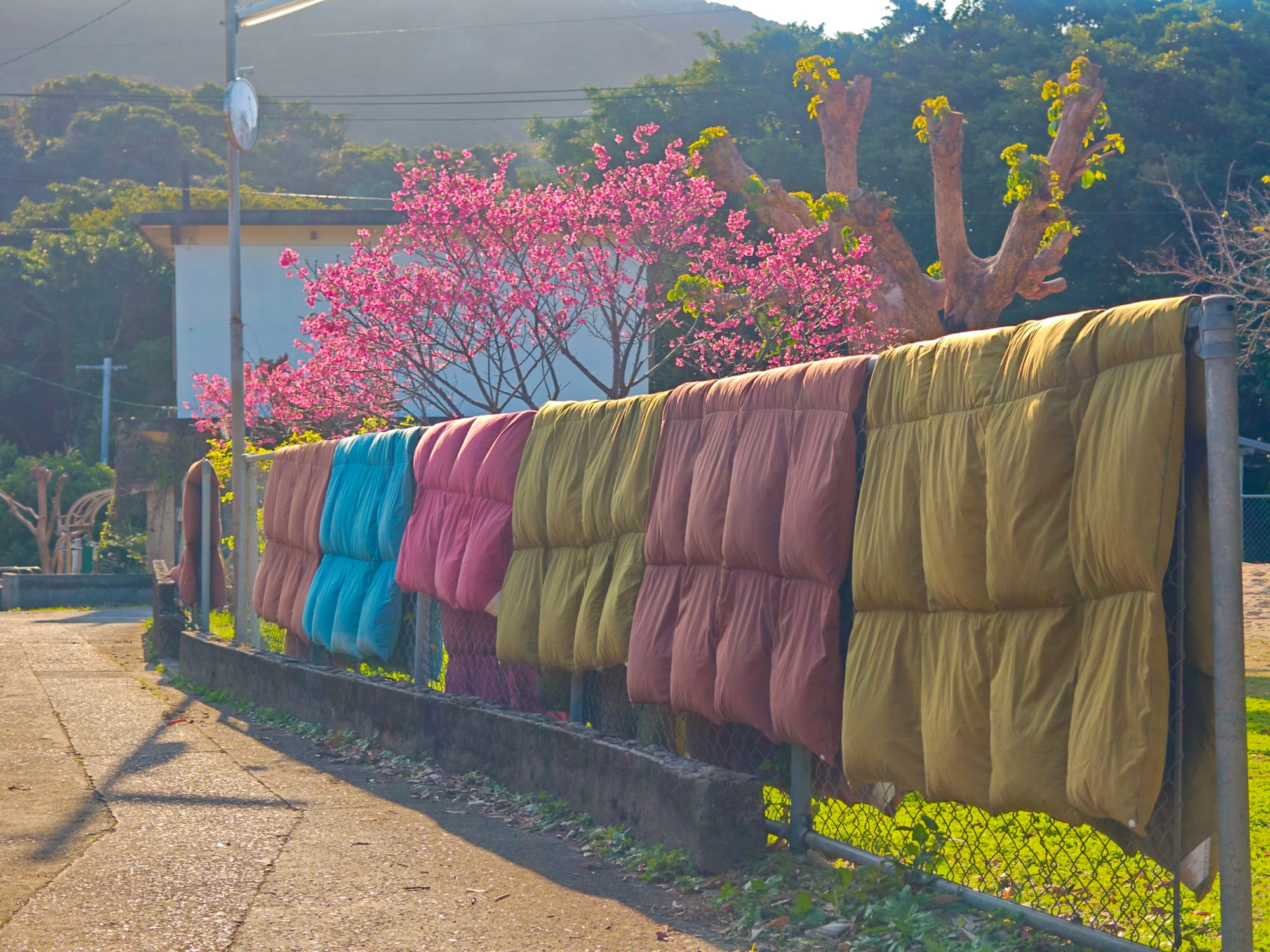
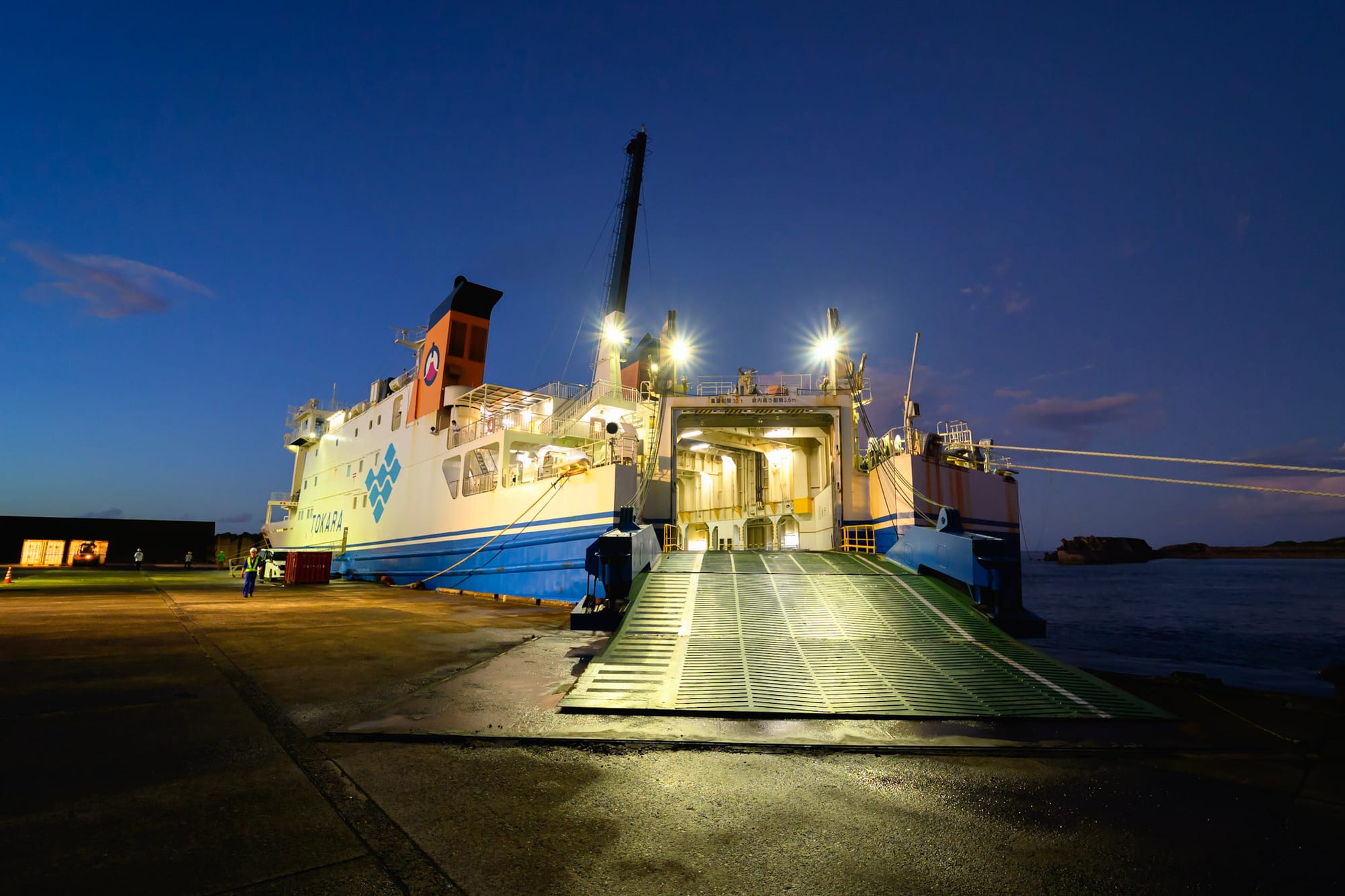
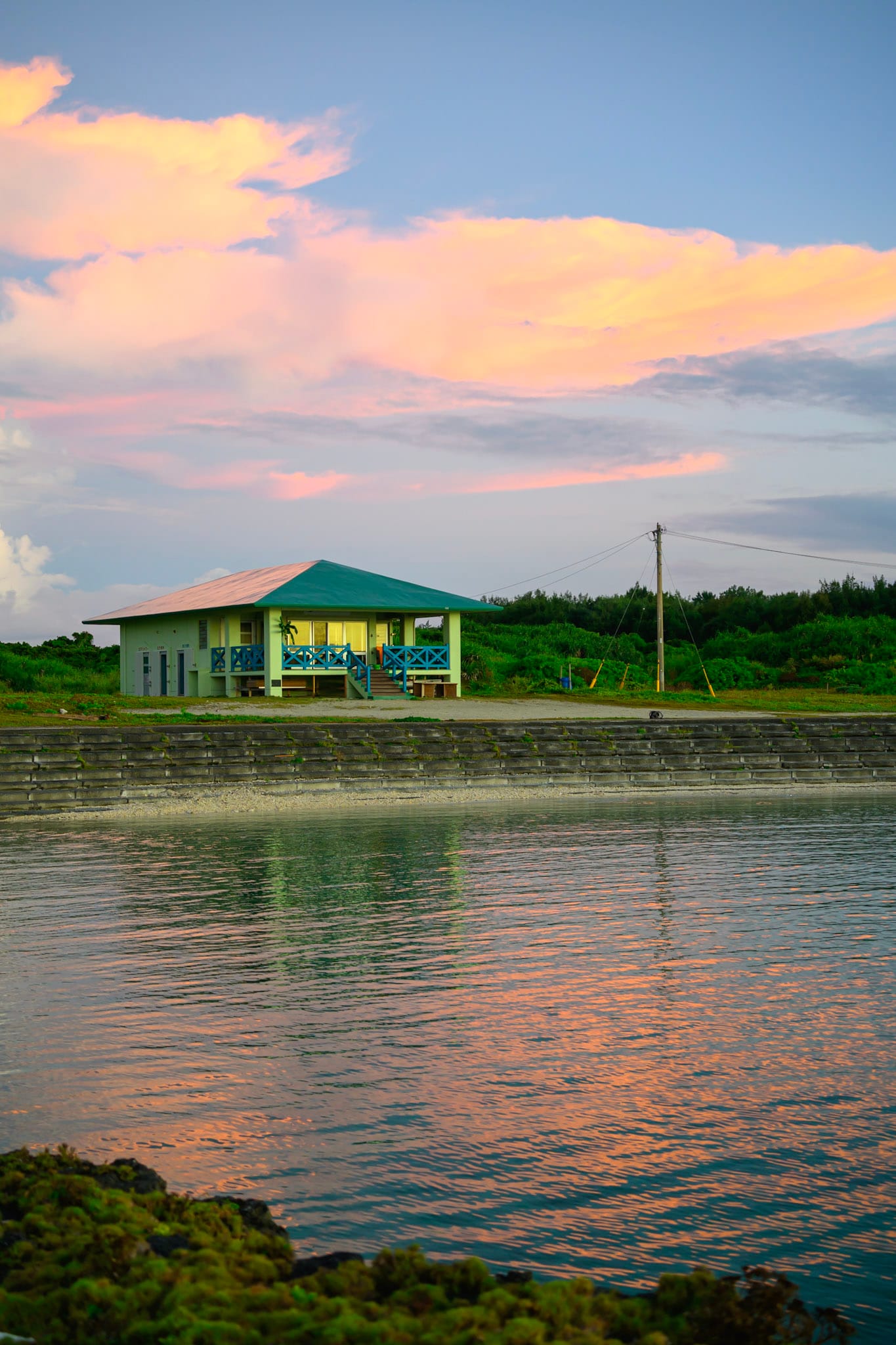
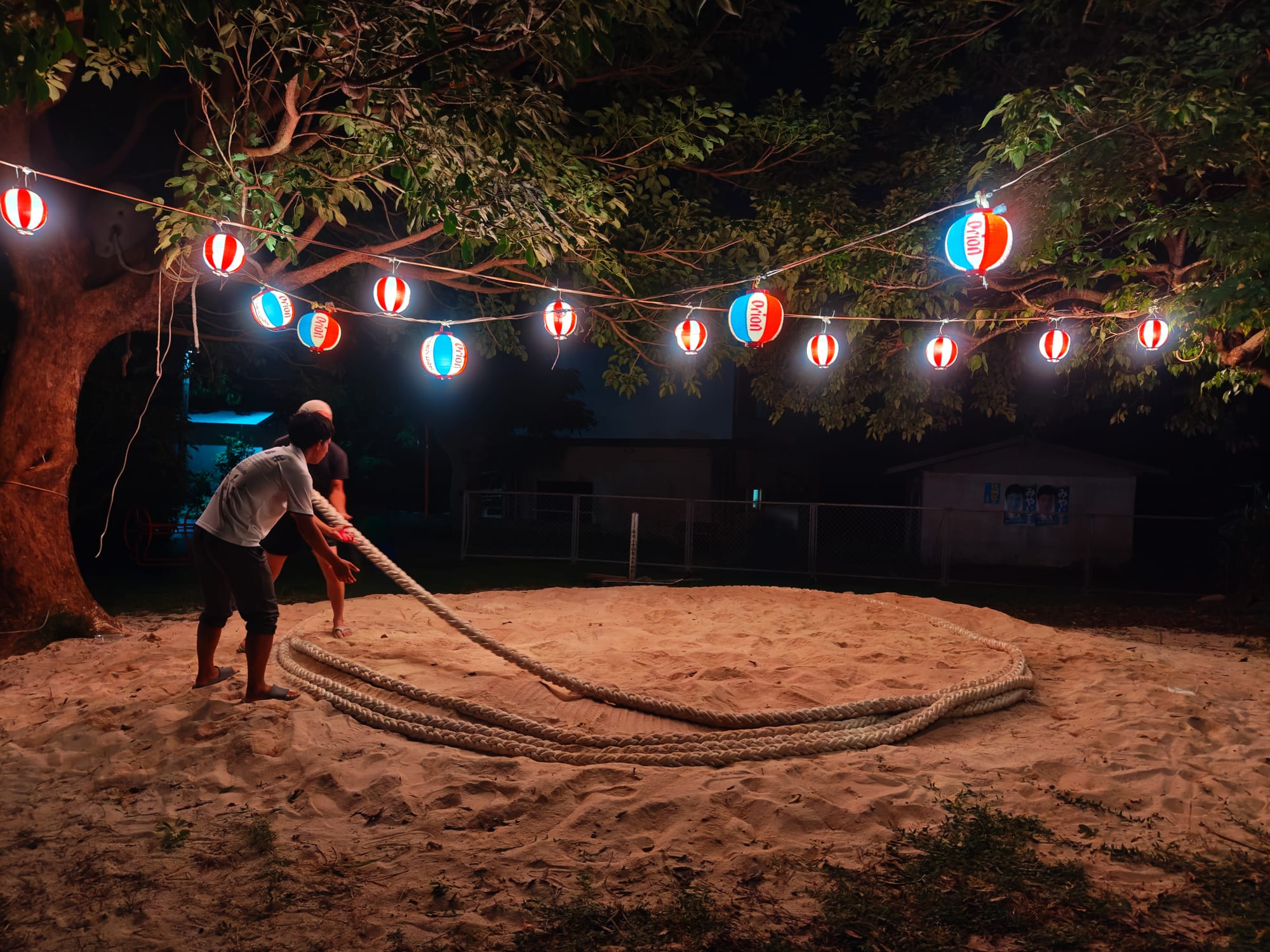
We have one public park on the island, so it doesn't even need a name; on maps, it's just labeled 'park'. Many places are like that, on Takarajima. We have:
- 公園 ー park
- ビーチハウス ー beach house
- コミセン ー community center
- 売店 ー shop
- 温泉 ー onsen (hot springs)
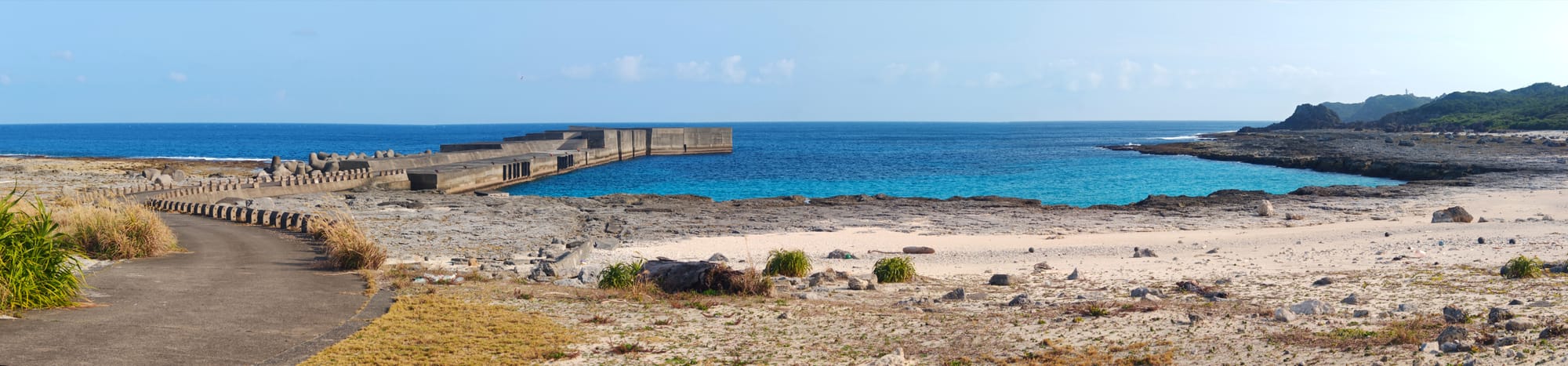
The last two on the list do actually have full names, though most usually just call them "Baiten" and "Onsen" respectively. There are several guest houses and rentable villas. Travelers can camp, or stay seaside in the beach house, or book lodging in the village for convenience. Transitory fishermen often make landfall on Takarajima, spending a few days on their boats in the well-sheltered port.
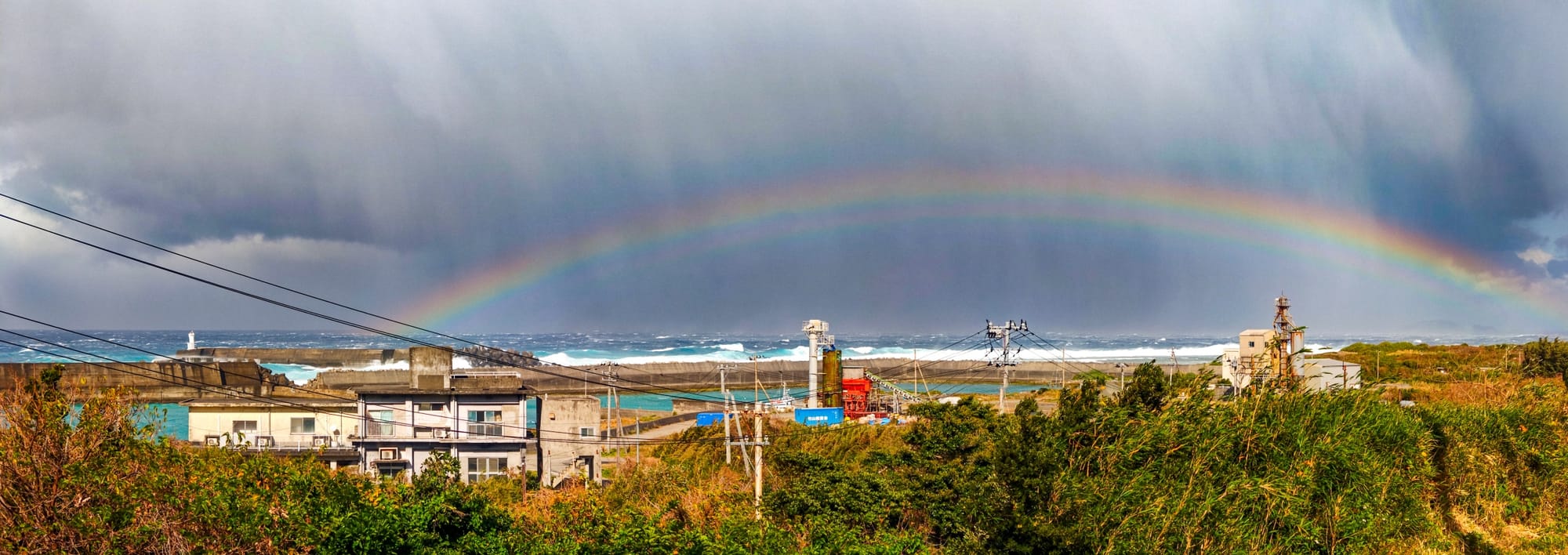
Life
While there's still more to tell, for brevity's sake, I'll just say that on Takarajima, I'm making out well. I'm not without worries, nor do I live beneath a rock (as much as I'd love to) though, the change of pace has felt like chance at a second life. I continue to find new things about the island, new activities to fill my time, new interests to keep me occupied. Turning a curious eye toward my environment has been key. Every day, a treasure.

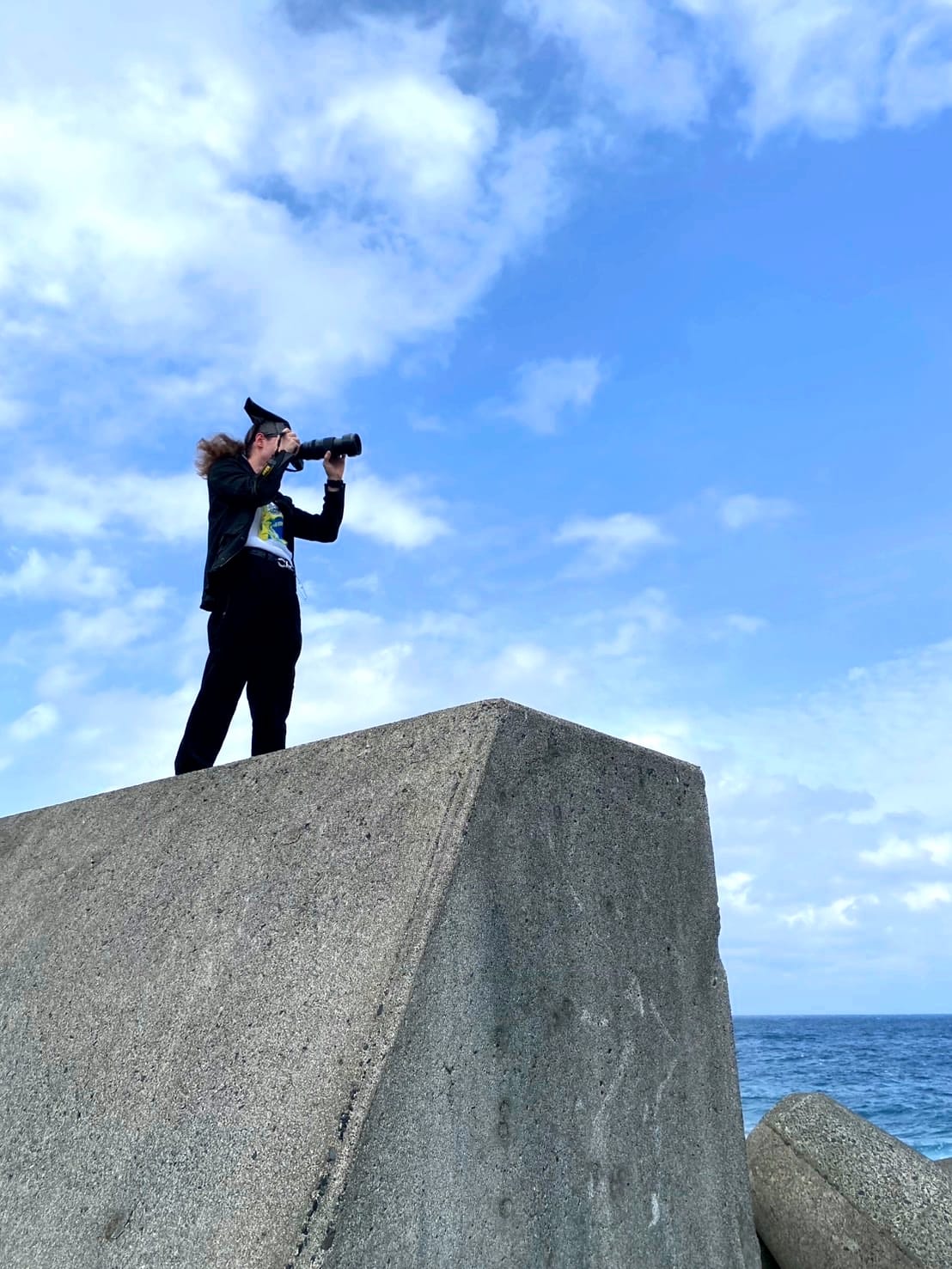

Always taking pictures.
Thanks for reading,
Joseph「西川龍児」Coston